By Staff Writer, John Kling | Updated October 21, 2026
July 20, 2026, Maga Daily News
United Airlines Draws National Backlash
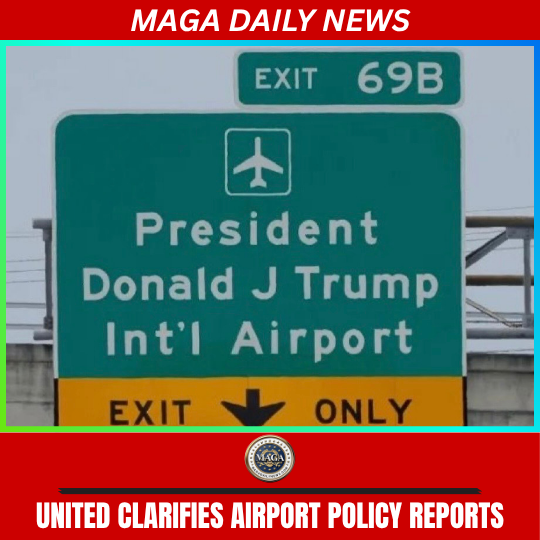
MAGA DAILY NEWS—United clarifies Trump Airport flight change reports. Reports claimed United Airlines would let travelers change flights for free if they did not want to fly into the newly renamed President Donald J. Trump International Airport. United later said an internal message was poorly worded and clarified that avoiding the airport’s new name is not an official reason for a free flight change. The story has sparked major debate online as travelers react to the airport’s new name. The internal message according to United Airlines public statement was poorly worded. United Airlines has been transparent with their communication efforts.
United Airlines spins things causing a national debated over the suggested flight change. United Airlines has been around for decades as one of the favorites by americans. This controversy has spawed major blacklast for United Airlines. Many long time customers of United are calling foul.
United Airlines Flight Change Reports Spark National Debate
The controversy surrounding United Airlines and the renamed President Donald J. Trump International Airport has quickly become a major topic of discussion among travelers, political observers, and aviation watchers. What began as reports about a possible customer option turned into a larger conversation about how companies respond when political disagreements affect everyday services.
The initial reports suggested that some travelers could receive free flight changes if they did not want to use the newly renamed airport. The claim gained attention because it involved a major airline and a highly recognizable political figure. However, United Airlines later clarified that the situation was connected to an internal message that was poorly worded and that avoiding the airport name alone was not an official reason for a free flight change.
The clarification did little to slow the public reaction. Supporters of the airport’s new name argued that customers should accept decisions made through official government processes. Others argued that private companies should consider customer concerns when political issues become part of travel decisions.
Airport Names Become Part of a Larger Cultural Debate
Airport names have historically carried significant meaning. Many airports across the United States honor presidents, military leaders, astronauts, civil rights figures, and other important public figures. Supporters say these names recognize achievements and preserve history for future generations.
Critics, however, sometimes argue that changing airport names can create division or become tied too closely to current political debates. Because airports serve millions of people every year, even a name change can create strong reactions from travelers who view the decision through a political or cultural lens.
The debate surrounding President Donald J. Trump International Airport highlights how public spaces can become symbols in larger national conversations. What may appear to be a simple name change can quickly become connected to questions about identity, politics, and public opinion.
United Airlines Faces Pressure To Clarify Policy
For airlines, clear communication is critical. Millions of travelers rely on airlines for schedules, refunds, cancellations, and changes. When information appears to suggest a new customer option, confusion can spread quickly.
United Airlines’ response shows the challenge companies face when dealing with sensitive issues. A message intended for internal use can become public within hours. Once that happens, companies must explain their position while balancing customer expectations and operational policies.
Airlines regularly make exceptions for weather events, emergencies, schedule disruptions, and other travel problems. However, political disagreements are a different category because they involve personal beliefs rather than standard travel disruptions.
The situation also raises questions about whether companies should adjust policies based on public reactions. Some customers believe businesses should be flexible when controversy affects their experience. Others believe companies should avoid taking positions on political disagreements and focus only on providing transportation services.
Government Agencies and Aviation Rules
Government agencies also play a role in airport operations, even though airlines make many of their own customer service decisions. The Federal Aviation Administration oversees aviation safety and regulations throughout the United States. Airport naming decisions often involve local, state, and federal processes depending on the airport involved.
The federal government has historically been involved in recognizing airports, transportation facilities, and public landmarks. These decisions can attract attention because they represent more than a location. They often reflect how communities and leaders want history to be remembered.TSA also plays a big role in safety and security at many airpors across America.
As debates continue, aviation officials are expected to focus on safety, efficiency, and reliable transportation. Airlines are responsible for communicating their policies clearly so passengers understand what options are available.
Travelers Watching What Happens Next
The United Airlines controversy shows how quickly a travel story can become a national discussion. A single report about flight changes created questions about corporate policies, customer rights, and the role of politics in everyday life.For travelers, the main concern remains simple: understanding their options when booking or changing flights. Customers want accurate information before making decisions that affect their schedules and travel plans.
As more details emerge, the situation will likely continue receiving attention. Whether viewed as a customer service issue, a political debate, or a communication mistake, the story demonstrates how modern companies operate in an environment where every decision can receive immediate public attention.
Takeaway:
This story just took a surprising turn, and people are debating what really happened.
Sources:
- United Airlines
- Federal Aviation Administration (FAA)
- White House
- Fox Business
- Reuters
- Associated Press
Disclaimer: This information is based on current reports and is for informational purposes only. The photo illustration and text caption are AI generated. We represent M.A.G.A. — Morals ● Action ● God ● America—Maga Daily News., an online faith based news editorial..