By Staff Writer, John Kling
July 20, 2026, Maga Daily News
MAGA DAILY NEWS—Trump administration takes new action against banking access for illegal migrants.The Trump administration is taking new steps to stop people living in the U.S. illegally from using the nation’s banking system. The move targets financial institutions that provide certain services or lending options to those who are not legally allowed to be in the country. Supporters say it strengthens immigration enforcement, while critics are watching closely. Trump knows business well and is familiar with the banking industry. Trump before coming president dealt with many banking institutions for building projects.
At the same time, many Americans believe access to financial services should be based on personal responsibility and the ability to repay, not where someone was born. The debate raises an important question: should everyone who meets the requirements have the opportunity to apply for a loan, or should immigration status play a role in financial access?
Administration Expands Immigration Enforcement
The administration says the goal of the policy is to make sure federal immigration laws are reflected across all parts of the government, including the financial system. Officials argue that access to certain banking services can make it easier for people who are living in the country without legal authorization to establish long-term financial ties. Supporters believe that limiting those opportunities could discourage illegal immigration while reinforcing existing immigration laws.
What This Could Mean for Banks
Financial institutions now face increased attention as they review how they verify customer identity and eligibility under federal regulations. Banks and lenders have long been required to follow rules designed to prevent fraud, money laundering, and identity theft. Any additional guidance or enforcement actions could require institutions to review their policies and ensure they remain in compliance with federal law. Depending on how the policy is implemented, some banks may need to update internal procedures or documentation requirements for certain financial products.
Why Supporters Back the Move
Supporters of the administration’s approach say the issue goes beyond banking. They argue that immigration enforcement should be consistent across every part of society, including employment, housing, public benefits, and financial services. In their view, allowing people who are in the country illegally to obtain loans or other financial products weakens the effectiveness of immigration laws and creates incentives for people to remain in the United States without legal status.
The Other Side of the Debate
Others see the issue differently. Some believe that financial institutions should evaluate applicants using the same standards regardless of immigration status. They argue that factors such as income, employment history, creditworthiness, and the ability to repay a loan are the most important considerations. From that perspective, they believe lenders should be allowed to make business decisions based on financial risk rather than immigration status alone.
At the same time, many Americans believe access to financial services should be based on personal responsibility and the ability to repay, not where someone was born. They argue that if an applicant can prove stable income, meet lending requirements, and demonstrate the ability to repay a loan, that person should have the opportunity to be considered. Others believe immigration status should remain an important factor because federal law distinguishes between those who are legally present in the country and those who are not. The debate raises an important question: should everyone who meets the financial requirements have the opportunity to apply for a loan, or should immigration status play a role in financial access?
The Role of Private Banks
The debate also raises questions about the role of private businesses. Banks are privately operated companies, but they also operate within a heavily regulated industry. Federal agencies establish many of the rules that financial institutions must follow, including customer identification requirements and anti-money laundering laws. As new policies are introduced, financial institutions often have to balance government regulations with their own lending standards and business practices.
Potential Economic Impact
Some observers believe these actions could have broader economic effects. If access to certain financial services becomes more limited, it could affect how some individuals save money, purchase vehicles, or obtain mortgages. Others argue that any economic impact is outweighed by the need to maintain a consistent immigration system and enforce existing federal law.
The discussion has also sparked debate among lawmakers, business leaders, immigration advocates, and financial experts. Some are calling for clearer federal guidance so banks understand exactly what is expected of them. Others are waiting for additional details before determining how significant the changes may ultimately be.
What Happens Next?
As the policy develops, both supporters and critics are expected to monitor its impact closely. Court challenges, additional regulations, or new guidance from federal agencies could further shape how financial institutions respond. For now, the discussion reflects a larger national debate over immigration policy, border security, and the balance between enforcing federal law and maintaining access to financial services. Whether these new measures achieve their intended goals remains to be seen, but the issue is likely to remain a major topic of discussion in the months ahead.
Takeaway: This move could change how immigration enforcement reaches beyond the border and into everyday financial systems, raising questions across the country.
Sources:
- Trump Administration officials
- U.S. Department of the Treasury
- Federal banking regulators
- Financial institutions operating in the United States
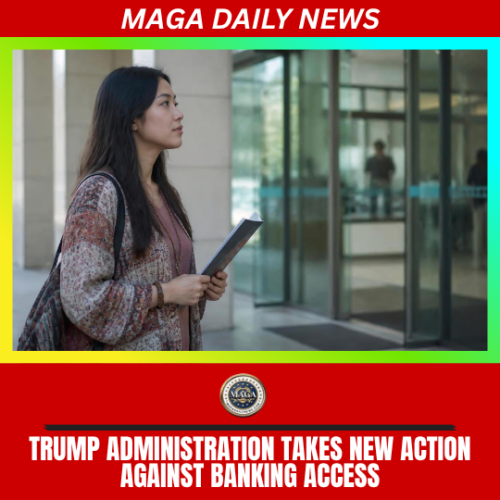
Disclaimer: This information is based on current reports and is for informational purposes only. The photo illustration and text caption are AI generated. We represent M.A.G.A. — Morals ● Action ● God ● America—Maga Daily News., an online faith based news editorial.