By Staff Writer, Mercedes Sterling
Novermber 28, 2026, Maga Daily News
Colorado DNA Analyst Sentenced to 10 Years After Years of Evidence Tampering Come to Light
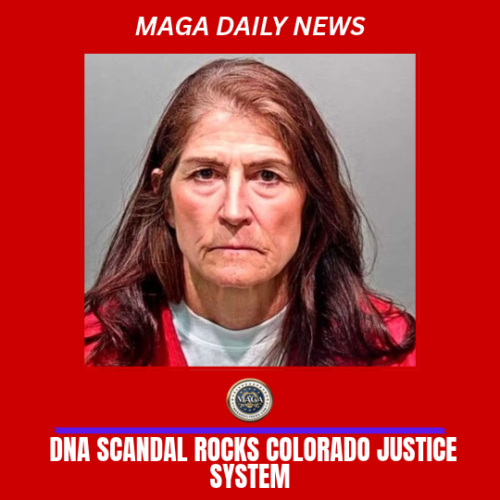
Maga Daily News— Colorado DNA analyst sentenced to 10 years. A former Colorado Bureau of Investigation DNA analyst has been sentenced to 10 years in prison after years of misconduct involving forensic evidence came to light, raising serious questions about criminal investigations across the state. Yvonne “Missy” Woods, who spent decades working in the state crime laboratory, altered DNA testing records, deleted information and issued reports that did not accurately reflect her findings. The problems have left more than 1,000 criminal cases under review, including hundreds involving sexual assault investigations. This case has everyone in disblief.
The case has drawn attention to the role forensic analysts play in the criminal justice system. Police officers, prosecutors and defense attorneys depend on laboratory findings when building cases, and those findings can influence whether someone is charged, convicted or cleared. When the accuracy of DNA evidence is called into question, the consequences can reach far beyond the laboratory where the testing took place. The allegations against Yvonne are beyond anyone’s imagination.
What Investigators Found in the DNA Records
The investigation began in September 2023 after an intern at the Colorado Bureau of Investigation noticed missing DNA information in a sample Woods had processed in 2018. What initially appeared to be a problem with one laboratory record led to a much larger examination of her work.
The bureau eventually identified more than 1,000 cases with irregularities connected to Woods. The cases dated back years and involved investigations of sexual assault, homicide, robbery and other crimes. Because Woods had worked on evidence in so many investigations, officials had to determine which records were affected and whether the changes had influenced the results reported to investigators.
Prosecutors identified 52 laboratory reports containing statements they said were untrue. In another case, they found statements that were technically accurate but appeared intended to discourage a detective from pursuing the DNA findings. In many of the cases, Woods reported that DNA was not present when testing had detected it.
One particularly troubling part of the investigation involved 32 cases involving women and children who reported sexual assault. Prosecutors said Woods deleted values showing the presence of male DNA and then issued reports stating that no male DNA had been found. Those findings could have provided investigators with information for additional testing and possible comparisons against DNA profiles already in law enforcement databases.
The consequences were significant. When a laboratory report says DNA was not detected, investigators may have little reason to pursue additional testing. Evidence that could have helped move an investigation forward may instead be set aside.
The First Judicial District Attorney’s Office said the misconduct affected hundreds of additional cases through changes to laboratory notes, even when those alterations did not result in a false report. That distinction is important because the number of cases requiring review is considerably larger than the number of criminal charges prosecutors brought against Woods.
Concerns Had Surfaced Years Earlier
The discovery in 2023 was not the first time questions had been raised about Woods’ laboratory work. Concerns reportedly surfaced as far back as 2014. An internal review also documented problems involving her handling of DNA testing, including a period in 2018 when she was temporarily removed from DNA casework following concerns about data manipulation.
Woods continued working for the Colorado Bureau of Investigation until 2023, when she left the agency and retired.
Investigators eventually turned to the South Dakota Division of Criminal Investigation to conduct an independent criminal investigation. The outside agency examined the records and evidence rather than leaving the investigation solely in the hands of the Colorado bureau where Woods had worked.
In January 2025, prosecutors filed 102 criminal counts against her. The charges involved conduct between 2008 and 2023. Woods initially pleaded not guilty but later reached an agreement with prosecutors.
In June 2026, she pleaded guilty to four felony charges: cybercrime, first-degree perjury, attempting to influence a public servant and forgery. The agreement required her to accept responsibility for the criminal conduct covered by the prosecution and guaranteed prison time.
A Murder Conviction and Other Cases Come Under Review
The effects of the misconduct have reached courtrooms across Colorado. One of the most significant cases involved Michael Clark, whose murder conviction was vacated after questions arose about Woods’ handling of DNA evidence. Clark was released from prison in 2025, and prosecutors indicated they intended to pursue a new trial.
Other defendants have also challenged convictions or received different plea agreements because of concerns about Woods’ credibility and involvement in their cases.
However, prosecutors have been careful to distinguish between evidence that was altered and proof that someone was wrongfully convicted. The investigation did not establish that Woods fabricated DNA identifications, false comparisons or positive DNA results. Officials have said they were not aware of unjust convictions resulting from the cases reviewed, although individual cases continue to require examination.
The review also uncovered problems in cases that never resulted in criminal charges. According to prosecutors, 41 cases connected to the charged misconduct did not lead to charges against a suspect. Thirty-two of those involved women and children who had reported sexual assault.
For the people involved, the discovery means that investigations they believed had been handled properly may need another look. Law enforcement agencies have been notified about affected reports and are responsible for determining what additional steps should be taken in their individual cases.
The Judge Orders a 10-Year Prison Sentence
On September 8, 2026, Jefferson County District Judge Andrew Poland sentenced Woods to 10 years in the Colorado Department of Corrections. She received the 10-year sentence on the cybercrime charge, with additional sentences for perjury, attempting to influence a public servant and forgery to run at the same time.
During the sentencing hearing, Judge Poland said Woods had occupied a position of extraordinary trust and had failed to carry out the basic responsibilities of her job.
Her responsibility, he explained, was to perform scientific work accurately, follow established procedures, report the results honestly and allow others in the criminal justice system to determine what those findings meant.
Woods addressed the court before sentencing and acknowledged the damage her actions had caused.
She told the judge that her conduct affected the integrity of the criminal justice system and the lives of people connected to the cases she handled. She also acknowledged that an apology could not undo the harm or restore the trust that had been lost.
Chief Deputy District Attorney Darren Kafka described the misconduct as deeply troubling, particularly because of the number of people and agencies that depended on the accuracy of the laboratory’s work.
The Cost of the Scandal Could Reach Millions
The criminal case against Woods may be over, but the financial and legal consequences for Colorado are continuing. Reviewing old laboratory records, retesting evidence, addressing court challenges and examining affected investigations have placed a substantial burden on state agencies.
Officials have previously estimated that the response could cost more than $11 million. That figure does not necessarily account for every future legal challenge or additional expense connected to the affected cases.
The Colorado Bureau of Investigation has also faced questions about how the misconduct continued for years without being fully addressed. The agency has been working on changes to its forensic services, including stronger oversight, documentation and quality controls.
Colorado officials have emphasized that the misconduct of one employee should not define the work of every forensic professional in the state. Still, rebuilding confidence in DNA testing will take more than changes to laboratory procedures.
The Woods case has exposed how much responsibility rests with the people who handle forensic evidence. A single laboratory report can influence the direction of an investigation, determine whether detectives continue pursuing a lead and become an important part of a criminal trial.
For the victims whose cases were affected, the questions are especially difficult. Some may receive another opportunity for investigators to examine evidence that was previously reported as having no male DNA. For defendants whose cases involved Woods, the accuracy of the evidence used against them may remain an issue in court.
Woods’ 10-year sentence brings her criminal prosecution to a close, but Colorado still has years of work ahead as officials examine the records, address legal challenges and attempt to restore confidence in the state’s forensic system.
Disclaimer: This information is based on current reports and is for informational purposes only. The information herein is approximate and not scale. The photo illustration and text caption are AI generated. We represent M.A.G.A. — Morals ● Action ● God ● America—Maga Daily News., an online faith based news editorial. Our community of friends #magadailynews Linktree TikTok X.com