
By Staff Writer, Mercedes Sterling
October 31, 2026, Maga Daily News
Hacker Group Exposes Records on More Than 41,000 DHS Employees in Major Data Security Incident
A Major Exposure Raises Questions About Federal Employee Security
Maga Daily News—Hacker group exposes data on 42,000 DHS workers. A reported cybersecurity incident involving more than 41,000 Department of Homeland Security employees and contractors has raised serious questions about the protection of sensitive government information. The data stored is of the most sensative data that must be protected. Law Enforcement agencies must go the extra steps to protect their data. Employee data information contains sensative and sometimes classified information. Data protection is critical.
A hacker group reportedly published a searchable database containing personal and employment-related records connected to federal workers, including immigration officers, border agents, and investigators working in sensitive positions. The reported exposure has drawn attention to the risks government employees face when information intended for official use becomes accessible to unauthorized individuals. Beyond the number of records involved, the incident highlights the importance of protecting the identities and contact information of people responsible for carrying out federal security operations.
What the Published Database Reportedly Contains
The database, identified in reports by the name “Icepick,” reportedly contains information associated with several agencies operating under the Department of Homeland Security. These include U.S. Immigration and Customs Enforcement, U.S. Customs and Border Protection, U.S. Citizenship and Immigration Services, and other federal offices. The reported records include employee names, work email addresses, telephone numbers, job titles, office information, and details about internal assignments. Some records reportedly reference sensitive investigative activities and specialized government operations. The breadth of the information has raised concerns because employment records can reveal more than a person’s name or job title. When combined, seemingly ordinary details can provide outsiders with a clearer picture of agency personnel, organizational relationships, and the responsibilities of individual employees.
A Group Calling Itself the Department of Peace Claims Responsibility
According to published reports, a group calling itself the Department of Peace claimed responsibility for obtaining the information. The group reportedly shared its material with Distributed Denial of Secrets, a nonprofit organization known for publishing leaked documents and data. A separate searchable database was developed by hacker and journalist maia arson crimew. The group described its actions as an effort to promote transparency and accountability surrounding federal immigration enforcement. However, the stated purpose of a data release does not eliminate the potential consequences for the individuals whose information becomes public. Thousands of employees may have no involvement in the political disagreements that motivated the release. Their professional responsibilities do not remove their interest in personal privacy or workplace security.
Department of Homeland Security Responds to the Incident
The Department of Homeland Security acknowledged that it was aware of a potential breach and said it was actively working to address the situation. The department also emphasized that it takes security concerns involving its employees and officers seriously and would work to ensure affected personnel were properly protected. That response places the protection of federal workers at the center of the investigation. While the full scope of the incident remains a matter for investigators, the department faces the difficult task of determining which records were exposed, how the information was obtained, and whether additional safeguards are necessary. Officials must also consider whether any exposed information could interfere with ongoing investigations or create additional risks for employees working in sensitive assignments.
DHS Seeks to Limit Public Access to the Information
The response moved beyond internal review when DHS sought assistance in restricting access to the published material. According to Reuters reporting on October 29, the department contacted Icelandic hosting provider FlokiNET and requested that the information be removed or access to it be limited. A request made on behalf of the government warned that more than 40,000 identifiable individuals could face harassment, stalking, and physical harm. ZeroFox, a security company authorized by U.S. Immigration and Customs Enforcement to pursue content removal actions, also cited concerns about the exposed records. However, FlokiNET chief executive Kolja Weber said the company would not remove the information, explaining that the published material contained government employees’ work addresses and work telephone numbers rather than personal contact details. This disagreement illustrates the difficult questions surrounding leaked government information, public access, employee privacy, and the responsibilities of online hosting companies.
Why the Exposure Could Create Serious Security Concerns
One of the biggest concerns surrounding the reported incident is the possibility that information about government employees could be used in ways that extend beyond simply identifying where someone works. Names, work contact information, job assignments, and organizational details can potentially be combined with information from other public sources. This could make it easier for someone to impersonate an employee, send deceptive messages, target a particular office, or attempt to obtain additional information through social engineering. Employees involved in immigration enforcement and investigations may have additional reasons to keep certain professional details confidential. Even when information does not include a home address or private telephone number, a collection of employment records can still reveal sensitive connections and responsibilities. Security experts have warned that exposed personnel information can create risks for both individual workers and the agencies responsible for protecting them.
Concerns Extend to Families and Federal Operations
The potential consequences are not necessarily limited to the employees listed in the database. Federal workers have families, children, and personal lives outside their government responsibilities. If an employee’s identity or professional assignment becomes widely known, family members could also experience unwanted attention or harassment. Another concern involves the possibility that exposed information could be used to interfere with investigations or identify relationships between different government offices. Immigration officers, border agents, investigators, and contractors often work together across multiple agencies. Information revealing those professional relationships could provide outsiders with a better understanding of how certain operations are organized. At this stage, it is important to distinguish between potential risks and confirmed consequences. Public reporting has described the information released and the concerns raised by officials, but that does not establish that every individual listed has experienced harassment or that every exposed record has been misused.
Questions Surrounding the Technology Involved
Reports have connected the alleged access to DHS information with Okta, a company that provides identity and sign-in services used by organizations to manage access to computer systems. According to WIRED, the information was reportedly obtained through a DHS employee sign-on system. However, Okta said it had no evidence that its own systems or data had been compromised. That distinction matters because an investigation must determine whether unauthorized access occurred through an agency configuration, compromised credentials, another security weakness, or a different pathway entirely. Simply identifying a technology provider in connection with an incident does not establish that the provider’s own systems were breached. Investigators will need to establish how access was obtained and whether the underlying security weakness has been corrected.
A Growing Challenge for Government Cybersecurity
The incident also brings renewed attention to the challenges facing government agencies as they manage large amounts of employee and operational information. Federal departments depend on interconnected computer systems, contractors, digital identification services, and internal databases to perform their daily responsibilities. These systems help employees communicate and complete important work, but they also require strong security controls. Government agencies must regularly review who has access to sensitive information, how employee accounts are protected, and whether older permissions remain necessary. Cybersecurity programs must also account for the possibility that information could be collected from multiple sources and combined to create a much larger security concern. The DHS incident demonstrates why protecting government information requires more than securing a single computer network. Access controls, employee training, monitoring, and rapid incident response all play important roles in protecting federal operations.
The Importance of Protecting Those Who Serve
Federal employees carry out responsibilities that affect national security, immigration enforcement, border protection, and public safety. Regardless of political opinions about government policies, the individuals performing these jobs have legitimate privacy and security interests. The public can debate government decisions, question agency practices, and demand accountability without exposing workers to unnecessary risks. Transparency and employee protection do not have to be opposing goals. Government oversight should remain possible while reasonable safeguards are maintained for personnel whose identities and assignments could create security concerns if widely distributed.
What Happens Next?
As the investigation continues, several important questions remain unanswered. How exactly was the information obtained? Were all 41,000 records authentic and current? How many employees had sensitive assignments? Were any additional government systems accessed? Have investigators identified the full extent of the exposure, and what additional protections will be provided to affected personnel? These questions will be important as the Department of Homeland Security works to understand the incident and address its consequences. The hosting dispute also demonstrates that removing leaked information from the internet can be complicated once multiple organizations and websites have obtained copies. Even when a database becomes temporarily inaccessible, information can reappear elsewhere.
A Serious Reminder About Federal Information Security
The reported exposure of more than 41,000 DHS employees and contractors is a significant reminder that government cybersecurity is directly connected to the people who serve the country. Protecting federal information means protecting more than computer systems and passwords. It also means protecting employee identities, sensitive assignments, professional relationships, and the security of families who may be affected when confidential information becomes public. The Department of Homeland Security has acknowledged the potential breach and says it is working to address the situation. Until investigators establish the full scope of the incident, questions will remain about how the information was obtained, what additional safeguards are needed, and whether those affected will face continuing risks. For now, the incident places an important issue before the public: government transparency matters, but protecting the people responsible for carrying out America’s security operations matters too.
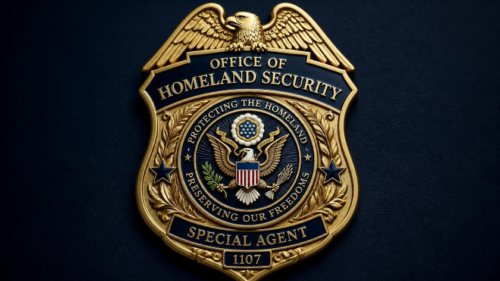
Disclaimer: This information is based on current reports and is for informational purposes only. The photo illustration and text caption are AI generated. We represent M.A.G.A. — Morals ● Action ● God ● America—Maga Daily News., an online faith based news editorial.