By Staff Writer, Mercedes Sterling
October 28, 2026, Maga Daily News
Supreme Court Leaves Trump-Era Limits on Immigration Judges’ Power in Place
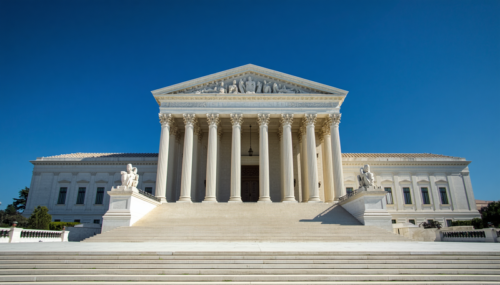
Maga Daily News—Supreme Court sides with Trump administration on deportation cases. The U.S. Supreme Court declined Tuesday to restore immigration judges’ authority to temporarily postpone deportation cases, leaving in place an agreement between President Donald Trump’s administration and Republican-led Texas that limits the practice. The decision keeps a restriction in place on a procedure that immigration judges had commonly used to pause cases while other legal or administrative matters were addressed. The ruling highlights the ongoing national debate over immigration enforcement, court procedures, and the authority of judges who oversee immigration cases.
Supreme Court Decision Keeps Existing Restrictions in Place
The Supreme Court’s decision means the agreement between the Trump administration and Texas will remain in effect while the broader legal dispute continues. The request before the justices sought to restore immigration judges’ ability to temporarily place certain deportation cases on hold. By declining to grant that request, the court did not reinstate the authority that challengers wanted restored.
The decision does not mean that the Supreme Court has settled every legal question surrounding the agreement. A refusal to grant immediate relief is different from a final ruling on the full merits of a case. It means the requested change will not take effect through that particular request, leaving the existing arrangement in place for now.
The distinction matters because Supreme Court decisions involving emergency requests can have immediate effects even when the larger legal dispute remains unresolved. Immigration courts must continue operating under the rules and restrictions that currently apply.
What Immigration Judges’ Authority Means
Immigration judges oversee cases involving people who are accused of violating immigration laws or who are facing removal from the United States. They review evidence, hear arguments, consider applicable laws, and make decisions about whether individuals may remain in the country.
Like other judges, immigration judges must manage busy court schedules and follow established procedures. In some circumstances, temporarily postponing a case can allow time for another legal issue to be resolved or for a related administrative matter to move forward. This type of pause is generally known as a continuance or, depending on the procedure involved, an administrative closure.
These terms are not interchangeable. A continuance generally postpones a hearing or proceeding to a later date. Administrative closure typically takes a case off the active calendar without deciding the underlying claim. Neither action automatically grants permanent permission to remain in the United States.
The ability to manage a case can affect how quickly a judge reaches a final decision. Supporters of judicial flexibility argue that judges need practical tools to handle complicated cases fairly and efficiently. Those who favor tighter restrictions may argue that cases should move toward resolution rather than remain inactive for extended periods.
The dispute involving Texas and the Trump administration places these competing views at the center of a broader argument about how immigration law should be administered.
Why the Trump Administration and Texas Support Limits
President Trump has made stricter immigration enforcement a central part of his administration’s agenda. His administration has emphasized the enforcement of immigration laws, the processing of cases, and the removal of individuals who do not have a legal basis to remain in the country.
From the perspective of those who favor tighter controls, allowing immigration cases to remain paused for long periods can make enforcement more difficult. Restrictions on postponements may be viewed as a way to keep cases moving and reduce the number of proceedings that remain unresolved.
Texas, under Republican leadership, has also taken a prominent role in immigration policy disputes. State officials have repeatedly challenged federal immigration policies they believe affect border security and the enforcement of immigration law.
However, the legal authority to establish and administer immigration procedures primarily rests with the federal government. State involvement in these disputes can lead to complex questions about the relationship between state governments, federal agencies, and the courts.
The agreement at issue reflects this larger conflict over immigration enforcement and judicial discretion. The Supreme Court’s decision leaves the agreement in place for now, but it does not automatically resolve every question about how the restrictions should operate in individual cases.
Why Critics May Be Concerned About the Ruling
Those who oppose restrictions on immigration judges’ ability to postpone cases may argue that judges need sufficient flexibility to consider individual circumstances. Immigration proceedings can involve complicated questions about legal status, family relationships, eligibility for relief, and other matters that may require additional time.
For example, a person involved in an immigration proceeding may have a separate application or legal issue that could affect the outcome of the case. A judge’s ability to manage the timing of proceedings can become important when one decision depends on another unresolved matter.
Critics of strict limits may also raise concerns about court efficiency and fairness. If judges have fewer options for managing their calendars, some cases may become more difficult to coordinate with related proceedings. The practical effect will depend on the rules that apply and the circumstances of each case.
At the same time, a restriction on postponements does not necessarily eliminate every legal option available to a person facing removal. Immigration proceedings are governed by statutes, regulations, court decisions, and other applicable procedures. The impact of any particular restriction must be considered within that legal framework.
The Supreme Court’s decision should therefore not be interpreted as a blanket determination that every deportation case must proceed immediately or that individuals have lost every opportunity to challenge their removal.
What the Decision Could Mean for Immigration Cases
The immediate effect is that the existing agreement remains in place rather than being suspended through the request presented to the Supreme Court. Immigration judges and the parties involved in affected proceedings must continue to operate under the applicable restrictions.
The change could influence how attorneys prepare cases, how hearings are scheduled, and how requests to pause proceedings are handled. The precise impact will depend on the terms of the agreement, the governing legal rules, and any further decisions issued by the courts.
People facing deportation proceedings should not assume that the ruling determines the outcome of their individual cases. Each case depends on its own facts, legal circumstances, and available forms of relief. Legal representatives will need to consider how the restrictions apply to their clients and what procedures remain available.
The decision may also influence future arguments about the balance between immigration enforcement and judicial independence. Courts must follow the law while administering proceedings, but disagreements can arise over how much discretion judges should have when managing cases.
Those questions may continue to appear in lawsuits involving immigration policy, federal authority, and the limits of administrative power.
The Broader Debate Over Immigration Enforcement
Immigration policy remains one of the most closely watched issues in American government. Supporters of stricter enforcement often emphasize border control, compliance with federal law, and the need to resolve cases without unnecessary delays. Those who favor greater flexibility in immigration courts often emphasize due process, individual circumstances, and the importance of allowing judges to manage complex proceedings.
The disagreement is not limited to one court order or one state. It reflects a larger debate over how the United States should enforce immigration law while maintaining a functioning judicial system.
The Supreme Court’s decision leaves the current restrictions in place, giving the Trump administration and Texas a temporary legal advantage in this dispute. However, the refusal to restore the judges’ authority through this request should not be confused with a final resolution of every issue surrounding the agreement.
Further court proceedings or legal developments could clarify the scope of the restrictions and determine whether they remain in place over the longer term.
For now, the key outcome is straightforward: the Supreme Court did not restore immigration judges’ ability to temporarily postpone the affected deportation cases, and the existing agreement remains in effect. The case illustrates how decisions about court procedures can have consequences for immigration enforcement, the administration of justice, and the people whose cases move through the system.
Disclaimer: This information is based on current reports and is for informational purposes only. The photo illustration and text caption are AI generated. We represent M.A.G.A. — Morals ● Action ● God ● America—Maga Daily News., an online faith based news editorial.