By Staff Writer, Oakley Kate
October 12, 2026, M.A.G.A. Daily News
Riverside Council Candidates Face Questions on Warehouses, Data Centers and City Transparency
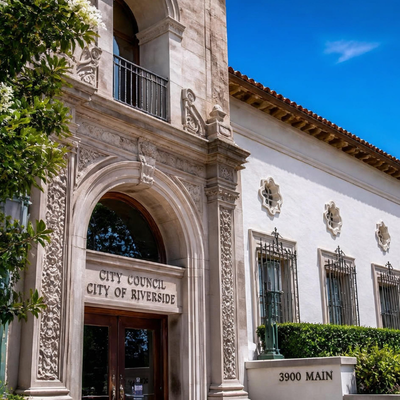
Maga Daily News— Riverside voters will have important decisions to make in the November 3, 2026, general election as candidates for City Council debate development, public safety, affordable housing and government accountability. A candidate forum held October 7 at the Orange Terrace Community Center gave residents an opportunity to hear directly from the four candidates competing for seats representing Wards 2 and 4. Technology goes far beyone extreme intelligence when data centers are the future.
It is common knowledge Riverside is pretty much dead as far as real entertainment goes. With a handful of old broken down bars downtown and a bunch of fast food joints that’s about it. The Mission is the crown jewl but not much for the youth to explore. Riverside has to get with it….
The forum was organized by the Mission Grove Neighborhood Alliance, a community group representing residents in a neighborhood divided between the two wards. The discussion covered several issues that could shape Riverside’s future, including warehouse development, a proposed air cargo facility at March Air Reserve Base, data centers, campaign financing and the placement of major electrical transmission lines.The candidates included Gracie Torres and Aram Ayra, who are competing for the Ward 2 seat held by outgoing Councilmember Clarissa Cervantes, and incumbent Ward 4 Councilmember Chuck Conder and challenger Rich Vandenberg.
Warehouse Development and Local Job Opportunities
Warehouse development was one of the major issues discussed during the forum, reflecting concerns about how large industrial projects affect neighborhoods, traffic and employment opportunities. Torres, Ayra and Vandenberg said they opposed approving additional logistics warehouses in their respective wards. Their positions reflected concerns about the long-term effects of large storage and distribution facilities on nearby communities.
Torres discussed her support for California Assembly Bill 98, which established requirements for certain logistics developments. Ayra pointed to his opposition to the controversial West Campus Upper Plateau project, which became a significant local debate over land use and industrial development. Vandenberg argued that Riverside should prioritize projects offering better-paying jobs and long-term career opportunities rather than relying on warehouse development.
Conder also said Riverside did not need additional logistics warehouses. However, he drew a distinction between warehouses and other large industrial buildings, arguing that the city should remain open to manufacturing facilities that could create higher-paying employment opportunities. “We don’t need any more warehouses, [but] we need jobs,” Conder said during the forum.
The disagreement highlights a broader question facing Riverside: How can the city attract businesses and increase local revenue without creating unwanted effects for surrounding neighborhoods? The City Council voted 4-3 in January to adopt changes to its zoning code that established stricter requirements for new storage and distribution facilities. The changes were intended to bring local rules into compliance with AB 98 while addressing additional concerns raised by residents. The council also included exemptions for manufacturing and technology developments. Conder and Councilmembers Steven Robillard and Sean Mill voted against the changes.
As the election approaches, residents will have to consider how each candidate balances economic development, employment opportunities and neighborhood concerns.
Proposed Cargo Facility Raises Community Questions
The proposed air cargo facility at March Air Reserve Base was another important topic at the October 7 forum. The community group asked candidates about a proposal that it said could bring as many as 10,000 cargo flights to the area. Conder disputed that characterization, stating that the project would not result in major cargo flights entering the region. Torres, Ayra and Vandenberg expressed opposition to the proposal.
Vandenberg said he would want to hear information from both sides if the project reached a public hearing. However, he emphasized that community safety and quality of life would remain his priorities. His comments reflected the challenge local officials face when evaluating projects that could affect residents beyond the immediate boundaries of a proposed development.
Questions about aircraft activity can involve noise, traffic patterns, environmental effects and the potential impact on nearby homes. Residents may also want to understand the project’s expected economic benefits and how those benefits would compare with its potential costs. The forum provided an opportunity for voters to hear the candidates’ initial positions. Any future public hearings and official project documents could provide additional details about the proposal and its potential effects.
For residents living near March Air Reserve Base, the issue could remain an important part of the local election discussion.
Data Centers Become a Major Land-Use Debate
Data centers have become a growing concern in communities across California as demand for digital services and computing capacity increases. These facilities support online services, business operations and other technology systems, but their construction can raise questions about electricity consumption, water use, land availability and local infrastructure.
During the Riverside forum, Ayra said he supported a proposed 90-day pause on data center applications and favored moving toward a permanent ban. He argued that residents could ultimately bear costs associated with the facilities. Vandenberg expressed reservations about data centers but stopped short of supporting a permanent ban. He said he wanted more information about how the facilities operate and the specific language of any proposed ordinance before making a final decision.
Torres argued that Riverside was already heavily developed and did not have an appropriate place for a large-scale data center. She also described contacting city officials after seeing a data center reference on a council agenda.
The discussion included questions about campaign contributions. Enterprise Technology Alliance, a company owned by the chief executive of a nonprofit that brought forward an agreement with the city, donated $1,000 to Torres’ campaign in September 2025. Torres told The Riverside Record that the contribution demonstrated that she did not engage in pay-to-play politics. She said she was proud that people trusted her leadership enough to support her campaign. The contribution was part of the public discussion surrounding the issue, but a campaign donation alone does not establish improper conduct.
Conder took a different position on data centers. He argued that opposition to the facilities could benefit foreign governments that would prefer sensitive information to be stored in facilities located outside the United States. He also said technological improvements had reduced the need for some large facilities.
The Riverside Land Use Committee directed city staff to draft a proposed 90-day pause on data center applications. The proposal was scheduled for council discussion on October 20, with a special committee meeting scheduled for October 13 to review the subject further. The outcome could help determine whether Riverside temporarily pauses applications, adopts additional restrictions or considers a broader prohibition.
Government Transparency and Public Participation
Transparency was another central issue, particularly regarding how residents can participate in City Council meetings. Torres, Ayra and Vandenberg said they would seek to improve public participation. Torres and Ayra also said they would be willing to remove items from the consent calendar when residents requested additional discussion.
Consent calendars generally contain routine matters that can be approved together through a single vote. Although the process can make meetings more efficient, residents may want individual items discussed when they have questions or concerns. Ayra and Vandenberg also supported beginning meetings later in the afternoon to make it easier for working residents to attend.Ayra emphasized that serving on the council requires a willingness to remain at meetings as long as necessary. Conder defended the council’s existing practices, saying the meetings had been conducted transparently. He also noted that lengthy consent calendars and extended meetings could be part of the council’s regular workload.
The disagreement illustrates different views about how local government should balance efficiency with public access. For many residents, transparency means more than publishing an agenda or recording a vote. It also includes having enough time to understand proposals, ask questions and communicate concerns before elected officials make decisions. The candidates’ positions could influence how residents evaluate their commitment to public participation and accountability.
Affordable Housing and the Cost of Living
Affordable housing was another major issue, with the moderator noting that Riverside had fallen behind state requirements for permitting housing intended for lower-income residents. Each candidate offered a different approach to addressing the problem.
Vandenberg said he would look for projects that were ready to move forward but lacked funding. He proposed directing available federal and state grant money toward helping those developments get built. Ayra suggested examining how the city could encourage large investment funds to release homes back onto the housing market. He also proposed creating a fund to support affordable housing projects.Torres said she would push state lawmakers to give cities greater local control over housing requirements. Conder focused on the administrative side of development. He argued that city staff could help developers navigate complicated funding applications while reducing delays in local permitting.
The discussion highlighted several challenges facing affordable housing efforts. Projects can struggle with financing, permitting requirements, construction expenses and the availability of suitable land. Even when funding is available, delays can make it harder to complete developments and bring homes onto the market. The candidates’ proposals differed, but the central issue was how Riverside could increase the supply of housing while addressing the needs of residents who cannot afford current housing costs.
Campaign Contributions and Political Accountability
Campaign financing also drew attention during the forum. The moderator asked candidates about Riverside’s decision not to establish limits on campaign contributions, a policy that distinguishes the city from many other California municipalities. Financial reports covering January 1, 2025, through June 30, 2026, showed substantial differences in the amounts raised by the four candidates.
Conder reported approximately $154,000 in contributions during that period, while Vandenberg raised an estimated $21,000. Torres reported nearly $163,000, and Ayra raised approximately $80,000.Conder defended the lack of contribution limits, arguing that existing financial disclosure requirements provide transparency and that restrictions could create other problems, including encouraging less visible sources of political funding. Torres, Ayra and Vandenberg supported contribution limits, saying the rules could help make elections more competitive and allow candidates with fewer financial resources to run for office.
Vandenberg said his limited campaign funds had prevented him from purchasing certain forms of advertising, including mailed flyers and local commercials. Ayra also called for additional restrictions involving lobbying by former council members and greater transparency regarding the flow of money into local elections.
The debate raises an important question for voters: Should local elections remain open to large contributions as long as they are disclosed, or should the city establish limits to reduce financial disparities between candidates? Campaign finance rules can influence who is able to compete, how campaigns communicate with voters and how residents evaluate potential conflicts of interest.
Electrical Transmission Lines and Neighborhood Concerns
All four candidates agreed that the Riverside Transmission Reliability Project, known as RTRP, should be built underground rather than above ground through the Santa Ana River bottom. The project is intended to provide a second connection to the state’s electrical grid. However, residents and officials have raised concerns about the proposed transmission towers, the area’s fire risk and the visual impact of the infrastructure.
The Riverside City Council voted 4-3 in 2024 to move forward with the project despite opposition from residents and the city of Norco. Torres, Ayra and Vandenberg said they would support residents seeking an underground installation if the issue returned to the council.
Conder said he had worked with county, state and federal officials to secure funding for underground construction. However, he said the funding effort remained unresolved because Southern California Edison had not provided the city with the cost information needed to move forward.
Although the candidates agreed on the preferred outcome, the project’s future could depend on construction costs, funding availability, engineering requirements and negotiations with the utility responsible for the work. The issue demonstrates how local representatives may need to work with multiple levels of government and private utility companies to address neighborhood concerns.
What Riverside Voters Should Consider Before Election Day
The October 7 forum gave voters a closer look at how the four candidates approach major issues affecting Riverside. Ward 2 voters will choose between Torres and Ayra, while Ward 4 voters will decide whether to reelect Conder or select Vandenberg.
The candidates expressed differences over economic development, data centers, campaign finance and government transparency. They also offered competing ideas about affordable housing and the future of major infrastructure projects. Residents can use these differences to evaluate which candidates best represent their priorities. Reviewing official campaign finance reports, City Council agendas, proposed ordinances and public meeting records can also help voters understand the decisions being considered by local government.
City Council elections can have a direct effect on neighborhoods, development approvals, infrastructure planning and the use of public funds. The people elected in November will help determine how Riverside responds to those challenges in the years ahead. For residents concerned about growth, housing costs, public participation and neighborhood quality of life, the election offers an opportunity to weigh the candidates’ stated positions and decide which direction they want the city to take.
Disclaimer: This information is based on current reports and is for informational purposes only. The photo illustration and text caption are AI generated. We represent M.A.G.A. — Morals ● Action ● God ● America—M.A.G.A., an online daily faith based news editorial.