By Staff Writer, Oakley Kate
Novermber 10, 2026, Maga Daily News
Supreme Court Clears the Way for Trump Administration to Resume Texas Border Wall Construction
Maga Daily News—Supreme Court sides with Trump administration. President Donald J. Trump’s border security efforts received a major boost Monday after the U.S. Supreme Court cleared the way for his administration to resume border wall construction in the Big Bend region of West Texas.
This is not the frist time Trump has won Supreme Court rulings when it comes to border security. The Supreme Court is suppose to be impartial but there is at least one far left liberal lunatic on the panel. In fact one Supreme Court Justice came under scrutiny for accepting some concert tickets and other lavish gifts.
The November 9 decision temporarily lifts a lower federal court order that had stopped construction while a legal battle over the project continued. The ruling represents an important development for the administration’s efforts to strengthen security along the southern border, but it also increases tensions with residents, environmental groups and local leaders who oppose the construction. The dispute centers on national security, federal authority, environmental protections and how taxpayer money should be used.
Supreme Court Delivers Major Victory for Border Construction
The Supreme Court issued an unsigned 8-1 decision allowing the Trump administration to move forward with the project while the legal case continues. The ruling pauses an earlier order from U.S. District Judge Kathleen Cardone, who had directed the government to stop construction-related activities in the Big Bend region. The justices determined that federal law places significant limits on the ability of courts to interfere with certain decisions involving border construction. As the usual pattern, Justice Ketanji Brown Jackson was the only justice noted as dissenting. The decision does not end the lawsuit or settle every legal question surrounding the project. Instead, it allows the administration to continue its work while the courts consider the remaining issues.
Why the Big Bend Region Matters
The Big Bend region is one of the most remote areas along the Texas-Mexico border. Located in southwestern Texas, the region includes mountains, desert landscapes, canyons and portions of the Rio Grande. Big Bend National Park is also located in this area and attracts visitors from across the country who come to enjoy hiking, camping, river activities and outdoor recreation. The border sector covers approximately 517 miles of the international boundary. Unlike some other sections of the southern border, this region has historically recorded a much lower share of migrant apprehensions. That difference has become one of the biggest arguments in the legal fight over whether extensive new barriers are necessary.
Trump’s Border Security Plan Moves Forward
President Trump has made strengthening border security one of the central priorities of his administration. The border wall has remained a major part of that effort, with federal officials pursuing additional barriers, patrol roads and modern surveillance systems. The administration’s broader construction program received significant financial support through congressional funding, including $46 billion allocated for border projects. Officials with U.S. Customs and Border Protection are working to expand physical barriers and other security infrastructure along the southern border. The Big Bend project is part of that larger effort. Administration officials argue that improving security in remote areas is important because gaps along the border can create opportunities for unauthorized crossings and criminal activity.
What Construction Could Include
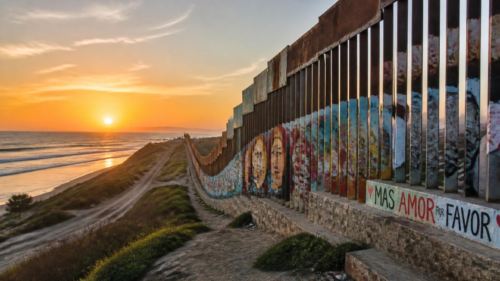
The project in the Big Bend region involves more than simply placing a traditional steel wall along the international boundary. Federal plans include different types of infrastructure designed to help border officers monitor and secure the area. Depending on the location, the work could involve steel barriers reaching approximately 30 feet high, vehicle barriers, patrol roads, cameras, sensors and other surveillance equipment. These systems are intended to help agents identify activity, monitor difficult terrain and respond more quickly when crossings occur. The administration has also discussed different construction approaches for the national park area following concerns from local residents and conservation groups. The exact construction plans and timing remain important questions as the project moves forward.
Why Local Residents and Environmental Groups Are Fighting Back
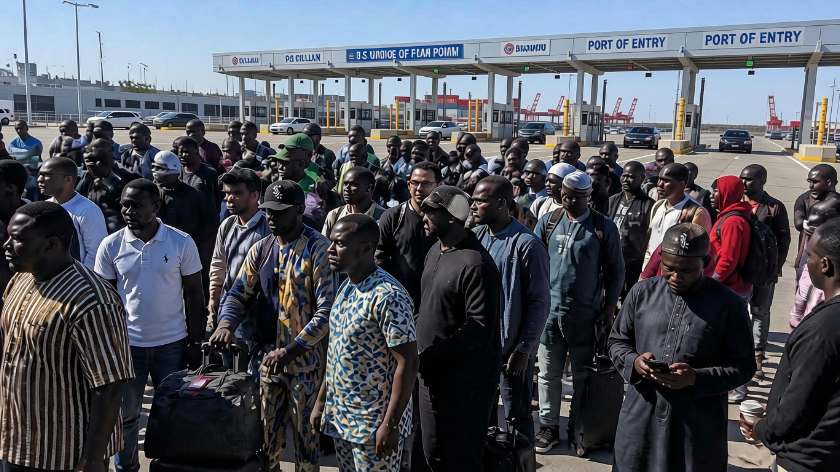
Not everyone supports the administration’s plans. A bipartisan group of residents, landowners, business owners, environmental organizations and other local interests has raised concerns about the potential impact of construction. Opponents argue that the Big Bend region does not experience the same level of border activity as other areas and question whether expensive barriers are necessary. They also warn that large construction projects could permanently change the landscape. The region’s natural beauty is an important part of its identity and supports tourism, recreation and local businesses. Some residents believe additional surveillance technology could provide security without requiring extensive construction through sensitive areas. Their concerns have helped bring the dispute into federal court. Either way, any and all illegal aliens must be stopped at the border, they’re welcome to enter the U.S. the correct way and go through the legal process. Otherwise they will be met with swift action from Border Patrol Agents.
Environmental Protections Become a Central Issue
One of the most important legal questions involves the administration’s decision to waive certain environmental and historic preservation requirements to speed up construction. Federal law gives the Department of Homeland Security significant authority to waive legal requirements when necessary to move border barrier construction forward. The administration relied on that authority to bypass regulations that could otherwise delay the project. These protections normally address issues involving wildlife, natural resources, historic locations and other environmentally sensitive areas. Opponents argue that the government used its waiver authority too broadly and that the Big Bend region should receive greater consideration because of its unique landscape. The administration maintains that federal law gives it the authority to make these decisions in the interest of border security.
How the Legal Battle Reached the Supreme Court
The dispute began moving through the federal court system after environmental organizations and other challengers filed lawsuits seeking to stop construction. Among the groups involved were the Center for Biological Diversity and Friends of the Ruidosa Church, along with individuals who raised concerns about the effects of the project. In October, Judge Kathleen Cardone issued an order stopping construction and related ground-disturbing activities in the Big Bend sector while the case continued. The Trump administration challenged that decision and asked the Supreme Court to intervene. Federal officials argued that the lower court had exceeded its authority and that delaying construction created unnecessary costs for the government. The Supreme Court’s November 9 decision now allows the administration to proceed while the legal dispute remains unresolved.
What the Ruling Means for American Taxpayers
The financial side of the project has also become a major point of disagreement. Supporters argue that border security is a national responsibility and that investing in barriers, roads and technology can help protect the country over the long term. They believe federal resources should be used to address security concerns throughout the southern border, including areas that may be difficult for agents to monitor. Opponents question whether spending billions of dollars on construction in a region with historically low apprehension numbers is the best use of taxpayer money. They argue that other approaches could provide security while reducing the financial and environmental costs. These competing positions highlight a larger national debate about border spending, government priorities and the best way to secure America’s borders.
What Happens Next?
The Supreme Court’s decision is an important temporary development, but the legal fight is not over. The administration can move forward with construction while the underlying case continues. The challengers still have legal arguments they can pursue regarding the government’s authority to waive environmental and other protections. The Supreme Court may consider further proceedings, or the dispute could continue through the lower courts. Questions also remain about the timing of construction, the final design of certain sections and how the project will affect surrounding communities and public lands. The outcome could have implications beyond Texas because it may influence how federal officials use their authority to accelerate border construction in other parts of the country.
A Bigger Debate Over Border Security and Federal Authority
The Big Bend dispute represents more than a disagreement over one construction project. It raises important questions about national security, federal authority, environmental responsibility and the use of taxpayer dollars. President Trump and his administration are continuing to pursue stronger physical barriers and expanded border infrastructure. Meanwhile, opponents are determined to challenge the project and protect the region’s natural and historic resources. For now, the Supreme Court has allowed construction to move forward, giving the administration an important legal victory. The final outcome, however, will depend on what happens as the remaining court proceedings continue. One thing is clear: the fight over America’s southern border and how it should be secured remains a major national issue.
Disclaimer: This information is based on current reports and is for informational purposes only. The information herein is approximate and not scale. The photo illustration and text caption are AI generated. We represent M.A.G.A. — Morals ● Action ● God ● America—Maga Daily News., an online faith based news editorial. #magadailynews