
By Staff Writer, Mercedes Sterling
October 25, 2026, Maga Daily News
Iwo Jima Monument Damaged by Illegal Alien
Iwo Jima Monument Damage Sparks Outrage as Suspect Faces Felony Charges
Maga Daily News—Illegal immigrant accused of damaging iconic Iwo Jima monument. The reported damage to an iconic Iwo Jima flag-raising monument near Marine Corps Base Quantico in Virginia has raised serious concerns about protecting America’s historic landmarks. According to published reports, 27-year-old Miguel Alonso Maldonado Soriano is accused of damaging the monument with a sledgehammer on Wednesday night. Authorities reportedly estimate that repairs could cost hundreds of thousands of dollars. The case has drawn attention because the monument honors the courage and sacrifice of American Marines during World War II, making the alleged destruction especially upsetting to veterans, military families, and those who value the nation’s history.
A Powerful Symbol of American Military History
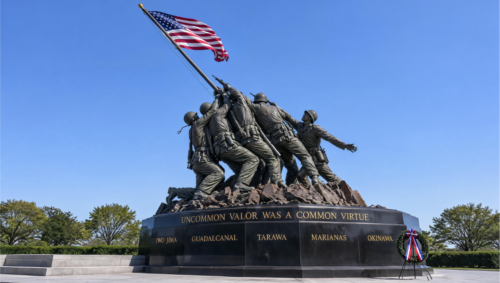
The Iwo Jima flag-raising image is one of the most recognized symbols of American military service. It represents the Marines who fought during the Battle of Iwo Jima in World War II, one of the most difficult battles in the Pacific campaign. The famous photograph of Marines raising the American flag became a lasting image of determination, teamwork, and sacrifice. The monument near Quantico is a smaller replica of the well-known Marine Corps War Memorial, serving as a reminder of the people who served their country and the price many paid during wartime. For veterans, military families, and visitors, such monuments are more than statues. They represent a connection to the nation’s past and the service members who helped shape it.
When a landmark like this is reportedly damaged, the consequences reach beyond the physical structure. The incident can affect people who see the memorial as a place to honor relatives, remember fallen service members, and teach younger generations about American history. Protecting these sites helps preserve the stories and sacrifices that might otherwise fade from public memory.
What Authorities Say Happened
According to reports, police arrested Maldonado Soriano after he was allegedly caught damaging the monument near Marine Corps Base Quantico on Wednesday night. Investigators reportedly believe a sledgehammer was used during the incident, leaving the statue severely damaged, including the loss of a figure’s head. The suspect reportedly faces multiple felony charges, including destruction of property and injury to a monument, and reports state that he is being held without bond.
The charges remain allegations, and the case must proceed through the legal system. The full details of the evidence, the events leading up to the alleged damage, and any explanation from the defendant would need to be established through official records and court proceedings. Until those details are confirmed, it is important to distinguish between what authorities allege and what a court ultimately determines.
Reported Immigration Status Draws Additional Attention
The case has also attracted attention because of reports concerning the suspect’s immigration history. Fox News reported that Maldonado Soriano entered the United States as a child and previously received protection under the Deferred Action for Childhood Arrivals program, commonly known as DACA. Reports cited in the coverage state that he later lost that protection. His current immigration circumstances should be confirmed through reliable official records, as individual cases can involve different legal factors.
DACA provides certain eligible individuals who arrived in the United States as children with temporary protection from deportation and authorization to work. It does not provide lawful permanent resident status or automatically grant citizenship. The suspect’s reported immigration circumstances have become part of the public discussion surrounding the case, but immigration status and the alleged destruction of the monument are separate issues. The criminal allegations must be evaluated based on the evidence, while any immigration proceedings would be governed by applicable federal law.
For readers concerned about immigration enforcement, this case raises questions about how criminal proceedings and immigration rules may intersect. Those questions are best answered using verified information from law enforcement, federal immigration authorities, and court records rather than assumptions about the suspect’s circumstances.
Potential Repair Costs Could Reach Hundreds of Thousands
One of the most striking details in reports about the incident is the estimated cost of repairing the monument. Authorities reportedly place the damage in the hundreds of thousands of dollars, although a final repair assessment would be needed to establish the exact amount. Repairing a historic monument can be far more complicated than fixing an ordinary statue because specialists may need to examine the structure, create replacement components, restore damaged surfaces, and ensure that the repaired monument remains stable.
The work may require historical photographs, original measurements, and specialized craftsmanship to preserve the memorial’s appearance. If a damaged component cannot be repaired, replacing it may require custom fabrication rather than a simple purchase. The final bill could include professional assessments, materials, transportation, labor, and other restoration expenses. Until officials release a detailed accounting, the reported estimate should be treated as preliminary rather than a confirmed final cost.
The financial impact also raises a broader question: who should bear the cost when a person is convicted of deliberately damaging a public or historic landmark? Depending on the applicable law and the outcome of the case, a court may consider restitution as part of sentencing. Any financial obligation would depend on the evidence, legal findings, and relevant court orders.
Why Protecting Military Memorials Matters
Military memorials occupy an important place in American communities. They provide locations for ceremonies, veterans’ gatherings, school visits, and moments of reflection. Many families visit these sites to remember loved ones who served in the armed forces. Protecting these landmarks is therefore about more than preserving stone, metal, or concrete. It is also about maintaining places where people can learn about the nation’s history and honor the service of others.
Incidents involving damage to military monuments can create anger and disappointment, particularly among veterans and people who have lost family members in military service. At the same time, responsible reporting requires investigators to establish the facts and courts to determine guilt based on the evidence. Communities can help protect historic sites through security measures, public awareness, prompt reporting of suspicious activity, and cooperation with local authorities. When damage occurs, timely assessments and careful restoration can help preserve the landmark for future visitors.
What the Criminal Case Could Mean
The reported felony charges mean the allegations may carry significant legal consequences if the defendant is convicted. However, the exact penalties depend on the specific charges, applicable statutes, evidence presented, and outcome of court proceedings. Prosecutors would generally need to establish the elements of each charged offense, potentially using witness statements, surveillance footage, photographs of the damage, forensic findings, and assessments of repair costs.
The defense would also have the opportunity to challenge the allegations and evidence through the legal process. An arrest is not the same as a conviction, and being held without bond does not establish guilt. The public may learn more as court records become available and proceedings move forward. Until then, claims about the incident should remain tied to information attributed to authorities or credible news organizations.
Questions About Accountability Remain
The alleged damage to the Iwo Jima monument has placed several issues in the spotlight, including the protection of American military landmarks, the financial cost of repairing historic structures, and questions about the suspect’s reported immigration history. For many Americans, the monument represents the sacrifice of Marines who fought in one of World War II’s most difficult battles. News of damage to such a memorial is likely to be upsetting, especially to those who believe historic sites deserve strong protection.
The next steps will depend on the evidence, official assessments of the damage, and the progress of the criminal case. Verified information about the charges, repair costs, and any immigration proceedings will be important to understanding the full picture. The broader lesson is that historic landmarks require protection, and allegations of serious damage deserve a careful investigation. Accountability must follow the law, with the facts established through proper legal procedures. Preserving America’s military history remains an important responsibility for public officials, local communities, and future generations.
Disclaimer: This information is based on current reports and is for informational purposes only. The photo illustration and text caption are AI generated. We represent M.A.G.A. — Morals ● Action ● God ● America—Maga Daily News., an online faith based news editorial.


