DHS Launches Nationwide Operation Focused on SNAP Food Assistance Fraud
By Staff Writer, Mercedes Sterling
October 21, 2026, Maga Daily News
Maga Daily News—Nationwide SNAP fraud crackdown. DHS says more action is coming.Federal officials have launched a nationwide operation focused on suspected fraud involving the Supplemental Nutrition Assistance Program (SNAP), the federal program that helps eligible households pay for groceries. Fraud in America is widespread and people are being held to answer for this unsuspecing crime. SNAP fraud is sometimes referred to as welfare fraud. Welfare fraud investigatiors have been charging people with criminal charges for years and years.
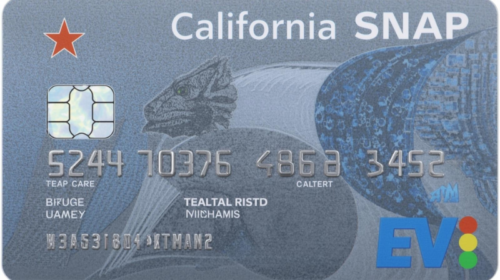
The SNAP program better known as food stamps or EBT has been struggling for years due to nationwide fraud. The snap card was thought to be a good source to stop the fraud but it did not work. Here is one example of how the fraudsters sell their SNAP card benefits. They will offer as an example a storekeeper 50 cents on the dollar in exchange for cash. Oftentimes, the cash is spent on drug addiction.
The Department of Homeland Security (DHS) and U.S. Immigration and Customs Enforcement (ICE) are carrying out enforcement actions involving people who are suspected of improperly receiving food assistance benefits while living in the United States unlawfully. The announcement has drawn attention to questions about public assistance, eligibility rules, government oversight, and how federal agencies investigate possible misuse of taxpayer-funded programs.
Federal Officials Announce Nationwide Enforcement Effort
According to reports from Fox News, ICE has confirmed multiple arrests connected to the operation. Those reported as arrested include four Haitian nationals and one Cuban national. Officials have not established through the information provided in the initial report that every person involved committed benefits fraud, and the allegations should not be treated as proven findings of guilt.
Homeland Security Secretary Markwayne Mullin described the reported arrests as “just a drop in the bucket.” His statement suggests that federal officials expect additional enforcement actions as the operation continues. However, the full scope of the investigation, the total number of people being examined, and the amount of any improperly received benefits have not been established in the information currently available.
The nationwide nature of the operation makes it important to understand what investigators are examining and how federal agencies determine whether a person has violated the law. Arrests are one part of an enforcement process, but investigations may involve reviewing records, checking eligibility information, and gathering evidence before prosecutors or other authorities decide what steps are appropriate.
What Is SNAP and Who Can Receive Benefits?
SNAP is a federal nutrition assistance program administered by the U.S. Department of Agriculture through its Food and Nutrition Service. State agencies generally handle applications, determine eligibility, and distribute benefits to approved households.The program is intended to help people with limited incomes afford food. Eligibility generally depends on factors such as household income, household size, certain expenses, and other program requirements. Benefits are typically provided through an electronic benefit transfer card that recipients use to purchase eligible food items at participating retailers.
Federal rules also place restrictions on which noncitizens may receive SNAP benefits. People living in the country unlawfully generally do not qualify for benefits for themselves. However, certain noncitizens who are lawfully present may qualify if they meet the applicable immigration-status, income, and other eligibility requirements.
These distinctions matter because immigration status and benefit eligibility are not always as simple as they may appear in a headline. A household may include individuals with different eligibility statuses, and a person who cannot personally receive SNAP benefits may live with family members who qualify. Each situation must be evaluated under the applicable rules.
Why Investigators Examine Possible Benefits Fraud
Government assistance programs rely on accurate information from applicants and recipients. When a person knowingly provides false information or conceals important facts to obtain benefits unlawfully, that conduct may lead to an investigation and possible legal consequences.Investigators examining suspected SNAP fraud may review applications, income records, household information, residency details, and other relevant documents. Depending on the circumstances, authorities may also examine whether information was knowingly misrepresented or whether benefits were obtained through an intentional scheme.
An investigation does not automatically mean that fraud occurred. Errors can happen when people misunderstand complicated application questions, experience changes in household circumstances, or provide information that later proves incomplete. Authorities must examine the available evidence and distinguish honest mistakes from conduct that violates the law.
The reported nationwide operation places a spotlight on how agencies identify potential violations and determine which cases warrant further action. Additional details from DHS or ICE would help clarify the methods being used, the number of cases under review, and whether investigators have identified broader patterns of suspected wrongdoing.
Immigration Status and Public Assistance Rules
The relationship between immigration law and public assistance has remained an important subject in federal policy. Different government programs have different eligibility requirements, and the rules can vary depending on a person’s immigration status and the type of assistance involved.For SNAP, federal law generally restricts benefits for people who do not meet the program’s citizenship or eligible noncitizen requirements. Certain qualified noncitizens may be eligible under specific conditions, while other individuals are excluded. The eligibility of a household must be considered according to the rules that apply to each person.
It is also important to distinguish between receiving benefits for oneself and living in a household where another member receives assistance. For example, an eligible family member may qualify for SNAP even when someone else in the household is ineligible. The presence of an ineligible person does not automatically establish that the eligible household members improperly received benefits.These differences are important when discussing enforcement actions involving people from different countries. Nationality alone does not establish whether someone qualifies for a program or whether a violation occurred. Investigators must consider the relevant facts, records, and legal requirements.
Protecting Taxpayer Funds Through Oversight
SNAP is funded by federal taxpayer dollars, making program oversight an important responsibility for government agencies. Effective oversight can help identify improper payments, prevent fraud, and ensure that assistance reaches households that meet the program’s requirements.Government agencies can use eligibility reviews, data checks, investigations, and cooperation between federal and state authorities to identify possible problems. When credible evidence of fraud emerges, authorities may pursue appropriate administrative or legal action.
At the same time, oversight must be based on reliable evidence and established procedures. Accurate investigations help protect public funds while reducing the risk that eligible households lose assistance because of incorrect information or mistaken conclusions.
For taxpayers, one important question is whether enforcement efforts produce measurable results. Useful information would include the number of cases investigated, the number of confirmed violations, the amount of improperly distributed benefits identified, and the steps taken to recover funds when the law permits recovery.Those figures would provide a clearer picture of the operation’s impact than arrest numbers alone. They would also help the public understand whether the investigation has uncovered isolated cases or a larger pattern of suspected fraud.
What Happens After an Arrest?
An arrest is an enforcement action, not a final determination of guilt. Following an arrest, a case may proceed through additional investigative steps, review by prosecutors, and court proceedings when criminal charges are filed.The outcome depends on the evidence and the applicable law. Some investigations may lead to formal charges, while others may result in different administrative or legal outcomes. The details of the reported cases involving Haitian and Cuban nationals have not been fully established in the initial report.
Members of the public should therefore be cautious about assuming that every person arrested has been found responsible for fraud. The legal process is intended to determine the facts of each case and whether the evidence supports the allegations.Additional announcements from DHS, ICE, state benefit agencies, or prosecutors may provide more information as the operation develops. Confirmed figures and official case details would help establish how many cases have progressed beyond the initial enforcement stage.
What to Watch as the Investigation Continues
Secretary Mullin’s statement that the arrests represent only a small portion of a broader effort has raised questions about what federal officials may announce next. The public will be looking for further information about the operation’s reach, the number of cases under review, and the types of suspected violations investigators have identified.Several details remain important: whether additional arrests occur, whether authorities release information about confirmed fraud, how much money may have been improperly obtained, and whether agencies announce changes to their oversight practices.
It is equally important to understand how the operation affects eligible households. SNAP remains a major source of grocery assistance for qualifying families, older adults, and people with limited incomes. Enforcement against suspected fraud and the proper administration of benefits are related responsibilities, but neither should be confused with a finding that all recipients have done something wrong.For now, the reported arrests mark an early development in a nationwide enforcement effort. Further verified information will be needed to determine the full scale of the investigation and its results.
The central issue is whether federal officials can identify and address genuine violations while applying eligibility rules accurately and fairly. As more details become available, confirmed findings will offer a clearer understanding of the operation’s impact on taxpayer funds, program integrity, and the administration of federal food assistance.
Disclaimer: This information is based on current reports and is for informational purposes only. The photo illustration and text caption are AI generated. We represent M.A.G.A. — Morals ● Action ● God ● America—Maga Daily News., an online faith based news editorial.